
Why Ferns?
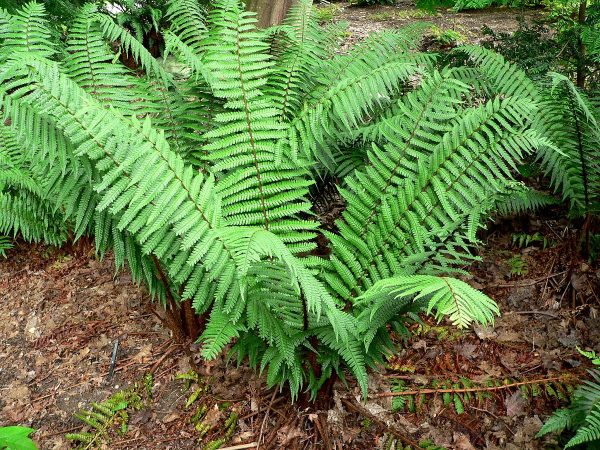
Ferns are one of the most adaptable groups of plants you can grow. They work quietly alongside other plants, often improving the overall feel of a border by adding texture, contrast and structure.
One of their greatest strengths is their ability to thrive where many flowering plants struggle. Shade, damp corners, north-facing walls and sheltered spaces can all become valuable planting areas with the right ferns.
Ancient Plants for Modern Gardens
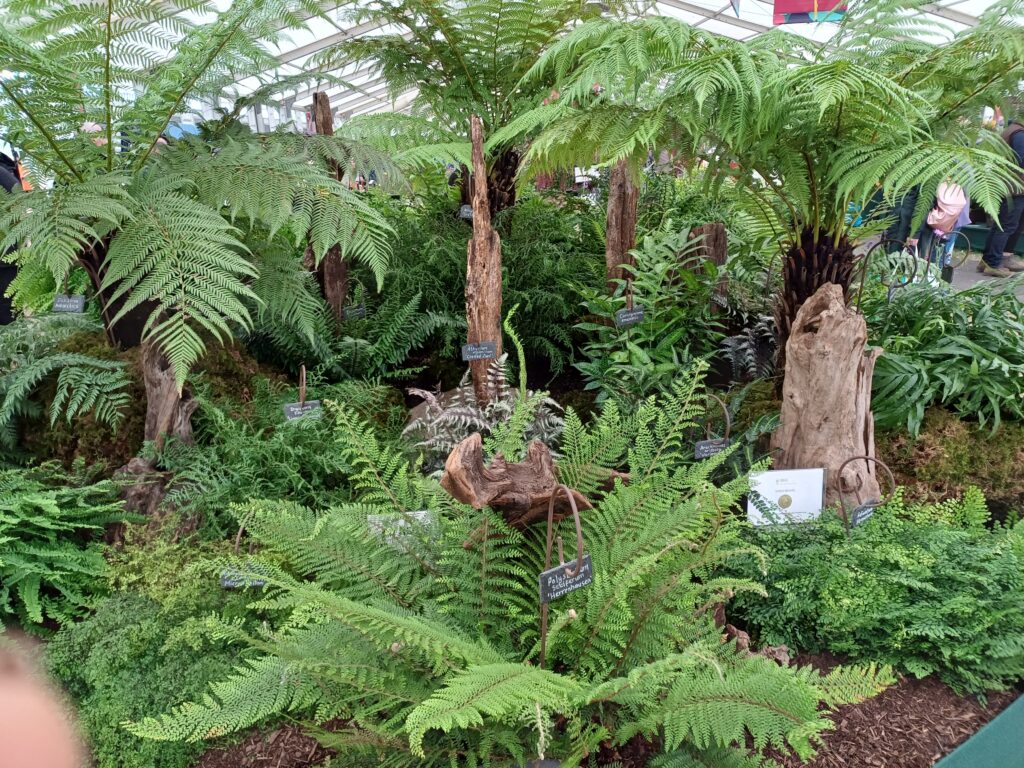
Ferns are among the oldest plant groups on Earth. Modern varieties have evolved from plants that existed long before flowering plants appeared.
Across the world, ferns grow in an extraordinary range of conditions — from deserts to bogs, sea level to mountains. In the UK, most of the varieties we grow are well suited to damp, shaded environments, making them ideal for woodland-style planting and difficult garden spots.
A Wide Range of Sizes and Forms
Even within hardy ferns suitable for UK gardens, there is huge variation.
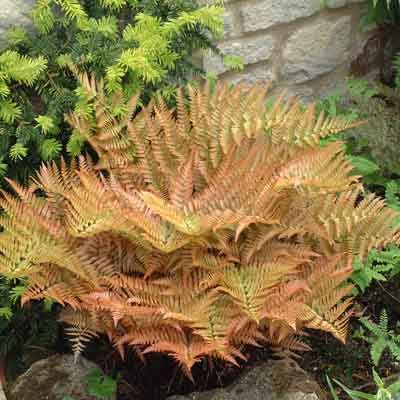
Some varieties grow just a few inches tall and are ideal for rockeries, walls, containers and shaded borders. Others form bold, architectural plants reaching 1.5–2 metres, capable of creating a strong focal point within a garden or landscape setting.
This range allows ferns to be used almost anywhere — from small courtyard gardens to larger planting schemes.
Easy to Grow and Long-Lived
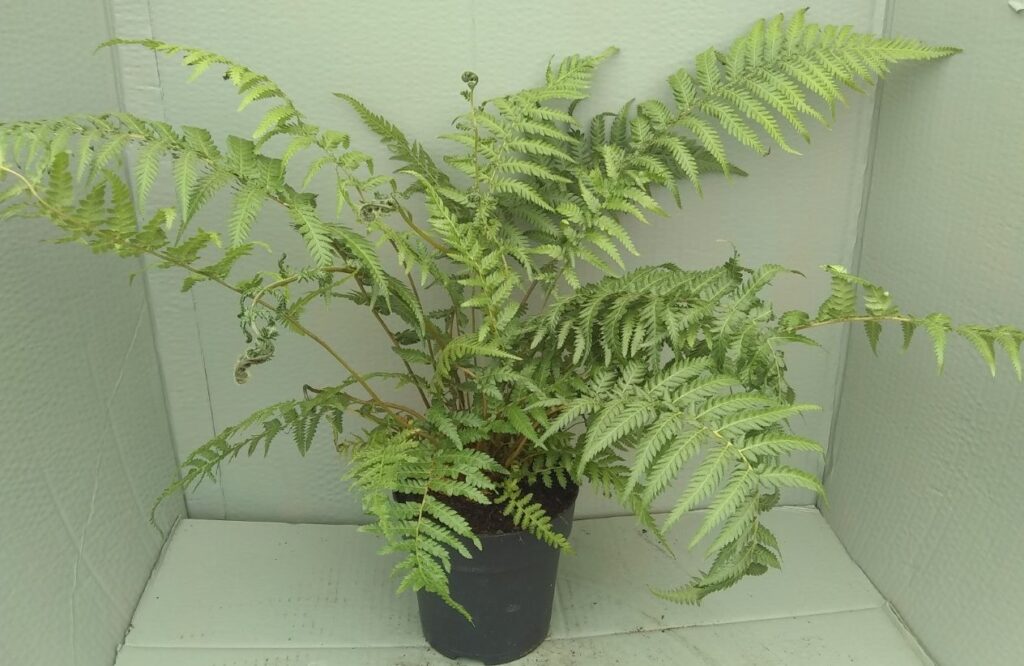
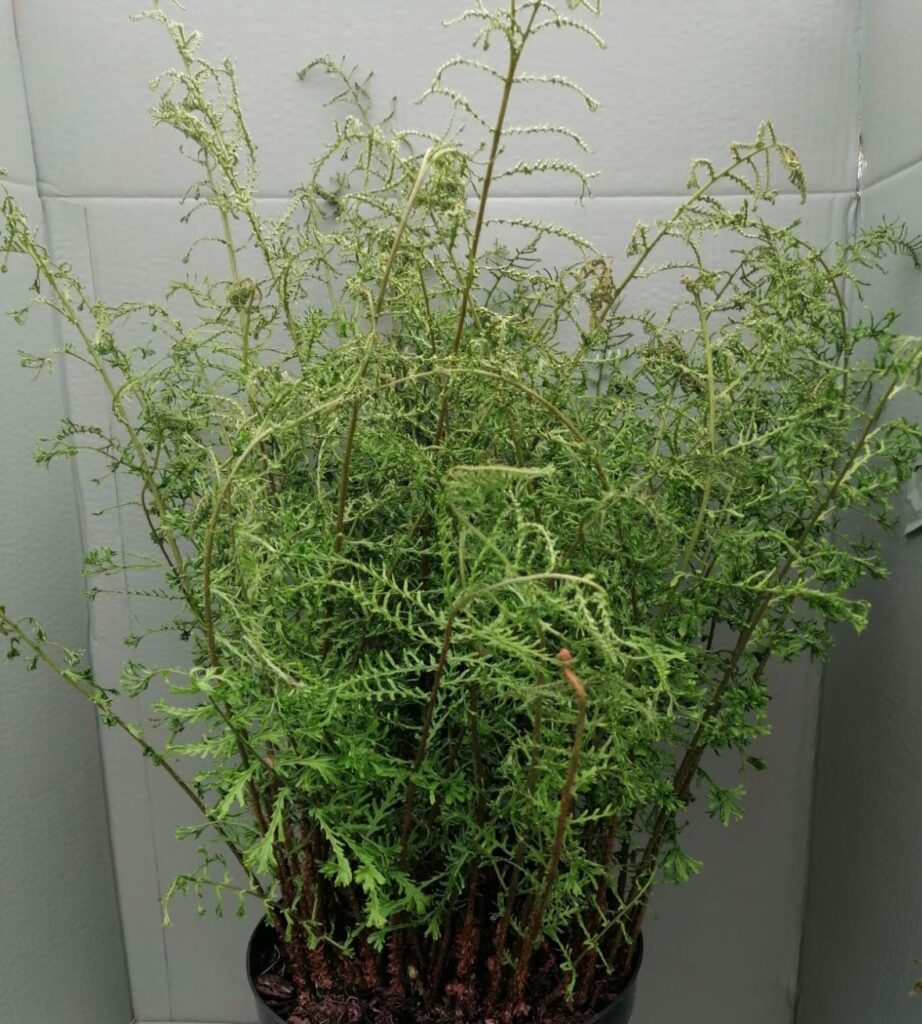
Given suitable conditions, most hardy ferns are straightforward to grow. Once established, they generally require very little attention.
They are not heavily troubled by pests or diseases and return reliably each year, often improving as they mature.
For gardeners looking to add structure, texture and dependable greenery, ferns are hard to beat.